
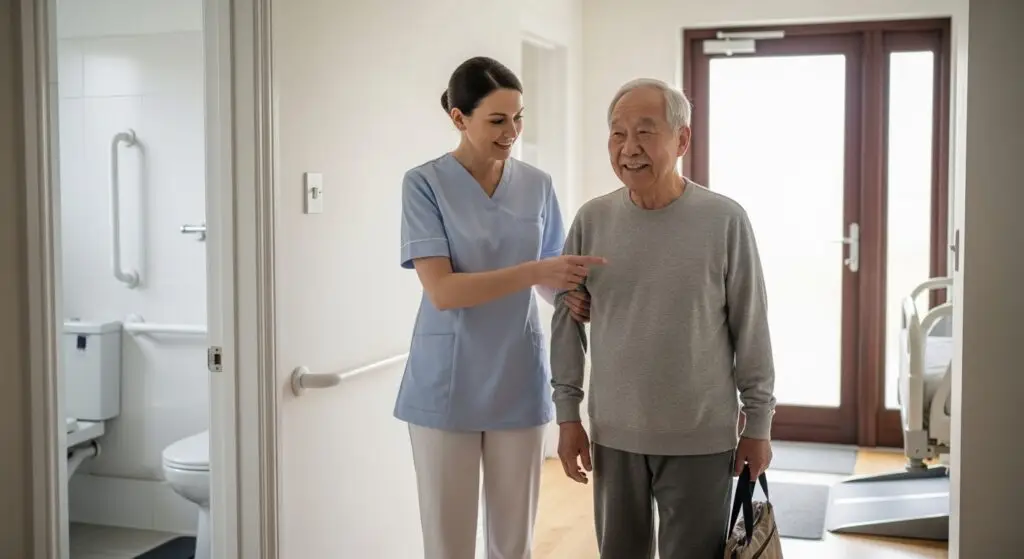
The Vital Role of Compassion, Care, and Communication in Home Patient Care
Providing quality care to patients in the comfort of their own homes goes far beyond medical treatments and medications—it requires a deep commitment to compassion, care, and open communication. Home patient care is a uniquely personal experience, where understanding and empathy play a crucial role in promoting healing and well-being. In this blog post, we will explore how these three essential elements—compassion, care, and communication—work together to create a supportive environment that not only addresses physical needs but also nurtures emotional and psychological health. Whether you are a caregiver, family member, or healthcare professional, understanding the vital role these qualities play can transform the way care is delivered and experienced in a home setting.
- Introduction: The Importance of Home Patient Care
Home patient care plays a crucial role in the healthcare system by providing personalized support and medical attention to individuals within the comfort of their own homes. Unlike hospital settings, home care offers a unique environment where patients can recover, manage chronic conditions, or receive end-of-life care surrounded by familiar faces and surroundings. This personalized approach not only enhances physical healing but also significantly improves emotional well-being. Compassion, care, and communication form the foundation of effective home patient care, ensuring that patients feel valued, understood, and supported throughout their health journey. By prioritizing these elements, caregivers can foster trust, promote independence, and ultimately improve the quality of life for those they serve. In this blog, we will explore why home patient care is essential and how compassion, care, and clear communication contribute to successful outcomes.
- Defining Compassion in Home Care
Compassion in home care goes far beyond simply performing tasks or administering medication; it embodies a deep sense of empathy and genuine concern for the well-being of patients. At its core, compassion means recognizing the emotional, physical, and psychological challenges that individuals face in the comfort of their own homes, and responding with kindness, patience, and understanding. It involves actively listening to patients’ needs and fears, validating their feelings, and providing reassurance during times of vulnerability. Compassion creates a nurturing environment where patients feel valued and respected, which can significantly improve their overall health outcomes and quality of life. In home care settings, where personal interaction is constant and intimate, demonstrating compassion is essential to building trust and fostering a healing relationship between caregivers and those they serve.
- The Role of Care in Enhancing Patient Well-being
Care lies at the heart of home patient care, serving as a fundamental pillar that profoundly influences a patient’s overall well-being. Beyond addressing physical needs, genuine care encompasses emotional support, empathy, and attentiveness—elements that help patients feel valued, understood, and secure in their own homes. When caregivers approach their duties with compassion and patience, they create an environment where patients are more likely to experience reduced stress, enhanced comfort, and improved recovery outcomes. This nurturing atmosphere not only addresses medical requirements but also fosters a sense of dignity and independence, empowering patients to maintain a higher quality of life. Ultimately, the role of care in home patient care is not just about performing tasks—it’s about connecting on a human level to promote holistic healing and lasting well-being.
- Effective Communication: The Backbone of Home Care
Effective communication is the backbone of successful home patient care, serving as the foundation upon which trust, understanding, and quality care are built. In a home care setting, clear and compassionate communication ensures that caregivers fully understand the unique needs, preferences, and concerns of each patient. This two-way exchange not only helps in accurately assessing health conditions and responding promptly to changes but also empowers patients by involving them in their own care decisions. Moreover, effective communication fosters strong relationships between caregivers, patients, and family members, creating a supportive environment that promotes emotional well-being alongside physical health. Whether it’s explaining medication instructions, discussing daily routines, or addressing emotional challenges, the ability to communicate openly and empathetically transforms home care from a routine task into a truly personalized experience that enhances the quality of life for patients.
- Building Trust Between Caregivers and Patients
Building trust between caregivers and patients is the cornerstone of effective home patient care. Trust doesn’t develop overnight; it is cultivated through consistent, compassionate actions and open, honest communication. When patients feel genuinely cared for and understood, they are more likely to share their concerns, adhere to treatment plans, and engage actively in their own care.
Caregivers can build trust by demonstrating reliability—being punctual, attentive, and responsive to the patient’s needs. Showing empathy and patience helps create a safe environment where patients feel valued and respected. Listening actively and validating patients’ feelings encourages openness and fosters a strong emotional connection.
Additionally, clear and transparent communication about care procedures, medication, and any changes in health status reassures patients and reduces anxiety. When caregivers take the time to explain and involve patients in decision-making, it empowers them and reinforces trust.
Ultimately, a trusting relationship enhances the overall quality of care, improves patient satisfaction, and promotes better health outcomes, making it an essential element in home patient care.
- Managing Emotional and Physical Needs with Compassion
In home patient care, addressing both emotional and physical needs is essential for promoting overall well-being and recovery. Compassion lies at the heart of this process, allowing caregivers to connect deeply with patients and recognize the unique challenges they face. By genuinely understanding a patient’s feelings, fears, and frustrations, caregivers can provide comfort and reassurance that go beyond medical treatment.
Physical care, while critical, is only one aspect of a holistic approach. Patients often experience feelings of isolation, anxiety, or depression due to illness or limited mobility. Compassionate caregivers take the time to listen actively, validate emotions, and provide encouragement, helping to alleviate psychological distress. Simple acts like a warm smile, patient listening, or holding a hand can significantly enhance a patient’s emotional health.
Moreover, effective communication is key to managing these needs. Clear, empathetic conversations help ensure that patients’ concerns are heard and that their preferences are respected. This open dialogue fosters trust and empowers patients to participate actively in their care plan. By balancing attentive physical support with heartfelt emotional understanding, caregivers create a nurturing environment where patients feel valued, safe, and motivated on their journey to better health.
- Techniques for Clear and Empathetic Communication
Effective communication is the cornerstone of quality home patient care. To truly connect with patients and their families, caregivers must master techniques that promote clarity while conveying genuine empathy. One essential approach is active listening—fully focusing on the patient’s words without interrupting, acknowledging their feelings, and reflecting back what you hear. This not only ensures accurate understanding but also makes patients feel valued and heard.
Using simple, jargon-free language helps eliminate confusion and empowers patients to participate confidently in their care decisions. It’s equally important to pay attention to nonverbal cues such as eye contact, facial expressions, and body language, which often communicate more than words alone. Compassionate communication also involves patience—allowing ample time for patients to express themselves, especially when they may be anxious or experiencing discomfort.
Incorporating open-ended questions encourages dialogue and gives patients space to share their concerns and preferences. Regularly summarizing key points ensures everyone remains on the same page, fostering trust and collaboration throughout the care process. By combining these techniques, caregivers can create a supportive environment where patients feel safe, respected, and understood, ultimately enhancing both emotional well-being and treatment outcomes.
- The Impact of Compassionate Care on Recovery
Compassionate care plays a crucial role in the recovery process for home patients, going far beyond just addressing physical needs. When caregivers approach their duties with genuine empathy and kindness, patients often experience reduced stress and anxiety, which can significantly enhance healing. Feeling understood and supported creates a positive emotional environment that fosters trust and encourages patients to actively participate in their own care. Studies have shown that patients who receive compassionate care tend to have better pain management, improved mental health, and quicker recovery times. Moreover, compassionate interactions help to alleviate feelings of isolation and loneliness that many home patients face, promoting overall well-being. In essence, compassion is not merely an added touch—it is a vital component that can transform the entire recovery journey, making it more humane, effective, and uplifting for those receiving care at home.
- Challenges in Home Patient Care and How Communication Helps
Home patient care presents unique challenges that can significantly impact both the well-being of the patient and the effectiveness of the care provided. One of the biggest hurdles caregivers face is managing complex medical needs within the comfort of a patient’s home, where resources and immediate professional support may be limited. Additionally, emotional stress, feelings of isolation, and the physical demands of caregiving can create an overwhelming environment for both patients and their families.
This is where clear, compassionate communication becomes an invaluable tool. Effective communication ensures that caregivers, patients, and healthcare professionals are all on the same page regarding treatment plans, medication schedules, and any changes in the patient’s condition. It helps to alleviate anxiety and build trust, making patients feel heard and cared for beyond just their physical needs. Moreover, open dialogue allows caregivers to express concerns, seek guidance, and receive timely support, which is crucial in preventing burnout and maintaining high-quality care.
By prioritizing communication, many of the challenges inherent in home patient care can be softened. It fosters collaboration, encourages proactive problem-solving, and ultimately enhances the overall experience for everyone involved. In essence, while home care may come with its obstacles, strong communication acts as a bridge that connects compassion and care, turning challenges into manageable steps on the path to recovery and comfort.
- Involving Family Members in the Care Process
Involving family members in the care process is a crucial aspect of providing effective and compassionate home patient care. Family members often serve as primary caregivers, advocates, and emotional support systems for the patient, making their participation invaluable. By actively including them in care planning and daily routines, healthcare providers can ensure that the patient’s needs and preferences are fully understood and respected.
Open communication with family members helps to build trust and provides clarity about the patient’s condition, treatment options, and any changes in care plans. It also equips families with the knowledge and skills they need to assist confidently, whether it’s managing medications, recognizing warning signs, or offering emotional comfort. Moreover, involving family fosters a collaborative environment where concerns can be addressed promptly, reducing stress and enhancing the overall well-being of both the patient and their loved ones.
Encouraging family involvement not only strengthens the support network around the patient but also promotes a sense of shared responsibility and empowerment. When families feel included and informed, they are better able to contribute positively to the healing process, making home care a more compassionate, effective, and holistic experience.
- Training Caregivers for Compassionate and Communicative Care
Effective home patient care goes beyond just attending to physical needs; it requires caregivers to embody compassion and maintain clear, empathetic communication. Training caregivers to develop these vital skills is essential in creating a supportive environment where patients feel understood, respected, and valued.
Comprehensive training programs focus not only on medical and technical competencies but also emphasize emotional intelligence, active listening, and patience. Caregivers learn how to recognize and respond to the emotional cues of patients, easing feelings of anxiety or loneliness that often accompany home care situations. Role-playing scenarios and real-life case studies can prepare caregivers to navigate challenging conversations with sensitivity, ensuring patients and their families feel heard and supported.
Moreover, effective communication extends to collaboration with healthcare professionals and family members, enabling a coordinated approach to care. By fostering these skills through ongoing education and mentorship, caregivers become trusted advocates who enhance the overall well-being and quality of life for those they serve. Ultimately, investing in training for compassionate and communicative care transforms home patient care from a routine task into a deeply meaningful experience for both caregivers and patients alike.
- Technology’s Role in Enhancing Communication at Home
In today’s rapidly evolving healthcare landscape, technology plays a pivotal role in bridging the communication gap between patients, caregivers, and healthcare professionals. For home patient care, effective communication is essential to ensure that patients receive timely support, accurate information, and personalized care tailored to their unique needs. Modern tools such as video calls, secure messaging apps, and remote monitoring devices empower caregivers and patients to stay connected effortlessly, regardless of distance.
Telehealth platforms enable real-time consultations, allowing healthcare providers to assess patient conditions, adjust treatment plans, and answer questions without the need for in-person visits. Meanwhile, wearable devices and smart sensors continuously transmit vital health data, alerting caregivers to any concerning changes promptly. This seamless flow of information not only enhances patient safety but also fosters a sense of reassurance and trust among all parties involved.
Moreover, technology facilitates better documentation and sharing of care plans, medication schedules, and progress notes, reducing the risk of errors and ensuring everyone is on the same page. By integrating these digital tools into home care routines, families and professional caregivers can collaborate more effectively, ultimately improving patient outcomes and quality of life. Embracing technology as a communication ally is thus essential in delivering compassionate, coordinated, and comprehensive home patient care.
- Case Studies: Success Stories of Compassionate Home Care
In this section, we explore real-life examples that highlight the transformative impact of compassionate care, attentive communication, and genuine empathy in home patient care. These case studies demonstrate how personalized approaches not only improve patients’ physical well-being but also uplift their emotional and mental health, fostering a sense of dignity and comfort within their own homes.
One inspiring story features Mrs. Johnson, an elderly patient recovering from a stroke. Through consistent, compassionate support and clear communication between caregivers, family members, and healthcare professionals, Mrs. Johnson was able to regain her independence faster than expected. Her caregivers took the time to listen to her concerns, adapt care routines to her preferences, and provide emotional encouragement, which made a significant difference in her recovery journey.
Another example involves Mr. Lee, a patient with chronic illness who often felt isolated before receiving home care. The dedicated care team prioritized open dialogue, ensuring Mr. Lee felt heard and involved in decision-making about his treatment plan. This respectful and caring approach not only eased his anxiety but also strengthened trust, leading to improved adherence to medication and therapies.
These success stories underscore the vital role that compassion, care, and communication play in home patient care. They remind us that beyond medical expertise, the human connection is essential in delivering truly effective and meaningful support to those in need.
- Tips for Caregivers to Foster Compassion and Effective Communication
Providing home patient care is a deeply rewarding yet challenging responsibility that requires more than just technical skills—it demands genuine compassion, attentive care, and clear communication. For caregivers, fostering these qualities can significantly enhance the patient’s comfort, trust, and overall well-being. One effective approach is to actively listen to your patient’s needs and concerns without interrupting, showing that you value their feelings and perspectives. Using simple, empathetic language helps bridge any communication gaps, especially if the patient has cognitive or hearing difficulties. It’s also important to be patient and maintain a calm demeanor, as this can ease anxiety and build a stronger caregiver-patient relationship. Regularly checking in and encouraging patients to express themselves not only empowers them but also helps you tailor care to their unique preferences. Additionally, caregivers should practice self-care to manage stress and stay emotionally available. By combining compassion with open, honest communication, caregivers create a supportive environment that promotes healing and dignity in home patient care.
- Conclusion: Integrating Compassion, Care, and Communication for Optimal Patient Outcomes
In the realm of home patient care, the seamless integration of compassion, care, and communication stands as the cornerstone for achieving optimal patient outcomes. Compassion allows caregivers to connect deeply with patients, fostering a sense of trust and emotional support that is essential for healing and comfort. Care, in its most comprehensive form, ensures that the physical, emotional, and psychological needs of patients are met with diligence and expertise. Meanwhile, effective communication bridges the gap between patients, families, and healthcare providers, facilitating clear understanding, timely interventions, and collaborative decision-making. When these three elements come together harmoniously, they create an environment where patients feel valued, safe, and empowered. Ultimately, prioritizing compassion, care, and communication not only enhances the quality of home patient care but also enriches the overall experience for patients and their loved ones, paving the way for improved health outcomes and greater satisfaction.
In conclusion, compassion, care, and communication are the cornerstones of effective home patient care, profoundly impacting the well-being and recovery of those we support. By fostering genuine empathy, delivering attentive care, and maintaining open, honest communication, caregivers can create a nurturing environment that promotes comfort, trust, and dignity. Whether you’re a professional caregiver or a family member, embracing these vital elements not only enhances the quality of care but also strengthens the meaningful connections that make all the difference in a patient’s healing journey. Remember, at the heart of home patient care lies the simple yet powerful act of truly caring.